

Megha Novelties Insights
Chikankari by machine and by hand: how to tell, and what each should cost
12 August 2026 · Thane, Maharashtra
Chikankari is the white-on-white shadow embroidery associated with Lucknow. It is also, right now, the most over-claimed term in Indian ethnic wear online. Almost every listing says “Lucknow chikankari”. Very few of them are hand embroidered.
What hand chikankari actually is
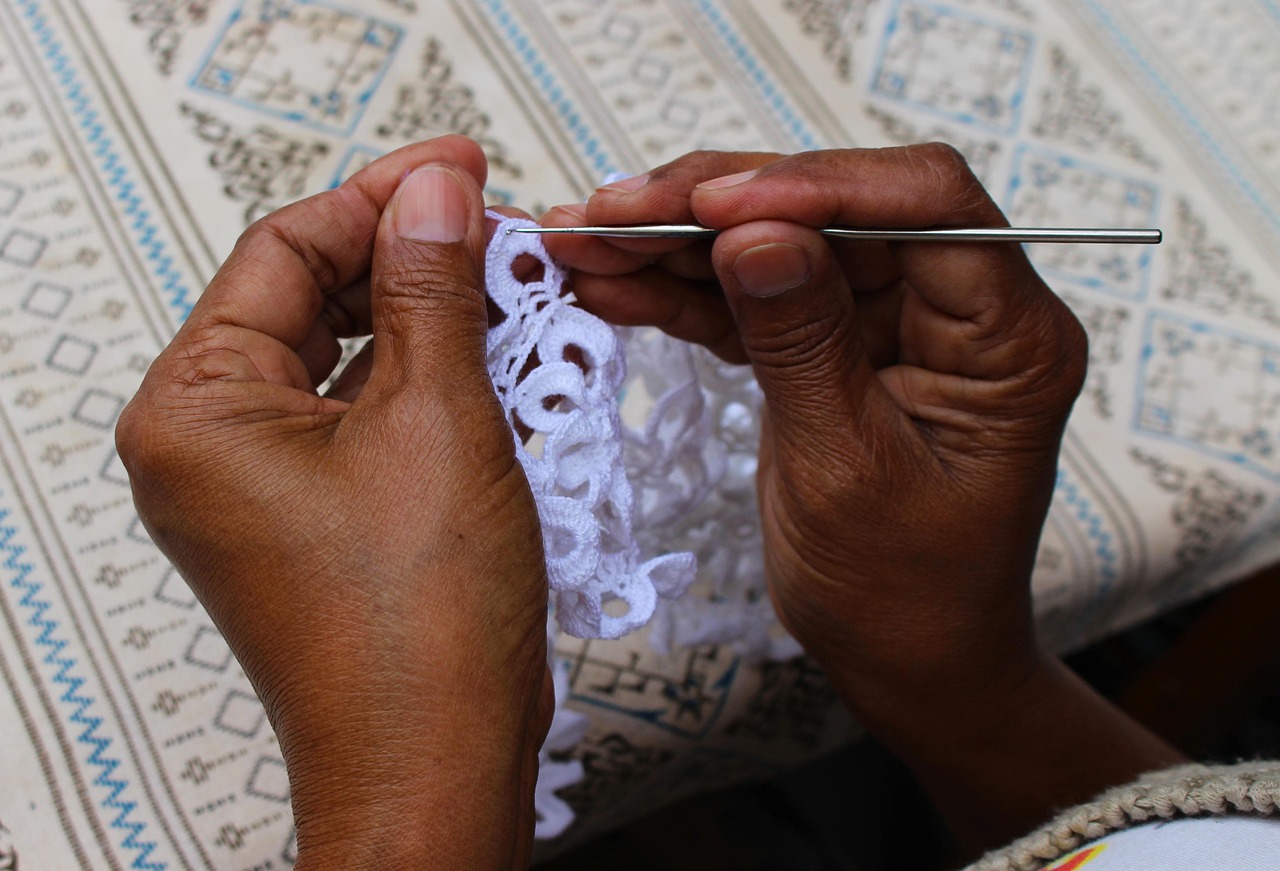
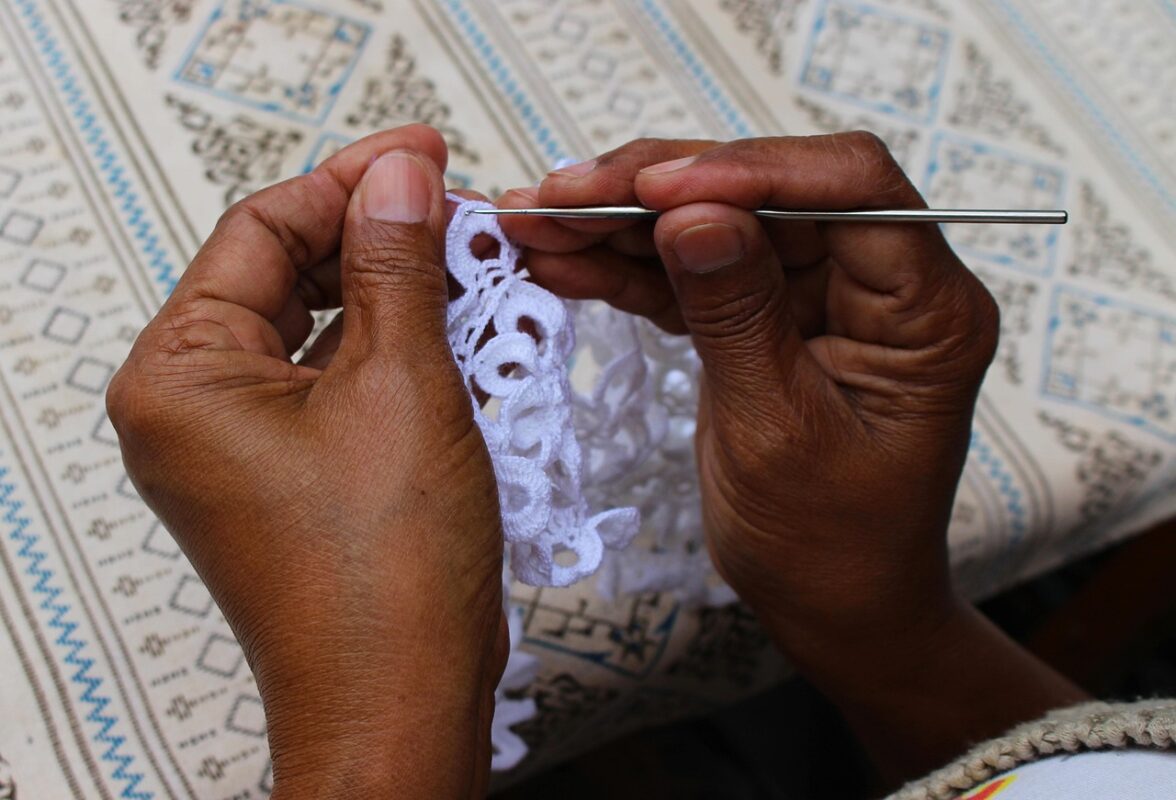
Hand chikankari is worked stitch by stitch by an embroiderer, often over weeks for a single kurta. The stitches have names — bakhiya, phanda, murri, jaali — and the back of the fabric shows the shadow work that gives the style its name. A genuinely hand-worked kurta starts in the thousands and rises steeply from there.
What machine chikankari is
Machine chikankari reproduces the motifs on an embroidery machine. The look, at arm’s length, is close. It costs a fraction. It is not a fake or a copy of somebody else’s product — it is a different manufacturing method for the same design language, and most of what is sold in India as chikankari today is made this way.
Three ways to tell them apart
- Turn it over. Machine work leaves a regular, repeated pattern of thread on the reverse, often with a visible carrying thread between motifs. Hand work is irregular, and shadow stitches sit differently on each motif.
- Look for repetition. Identical motifs, identical spacing, identical stitch density across the whole panel means a machine. Hands vary.
- Read the price. A three-piece hand chikankari set at ₹1,500 does not exist. If the price is in that range, the work is machine done, whatever the listing says.
What we sell, stated plainly
Our white chikankari cotton set and our numeric-sized chikankari set are machine embroidered, and both product pages say so. We price them as machine work. We do not use the words “artisan”, “hand-worked” or “heritage craft” for anything on this site, because those words belong to people who actually do that work and to customers paying for it.
Caring for it either way
Chikankari — machine or hand — is fine thread on light fabric. Hand wash it in mild detergent, do not scrub the embroidered panel, and dry it in shade. A washing machine will pull threads over time even on machine work. White cotton also yellows in sunlight, so store it folded in a cupboard rather than hanging in a bright room.